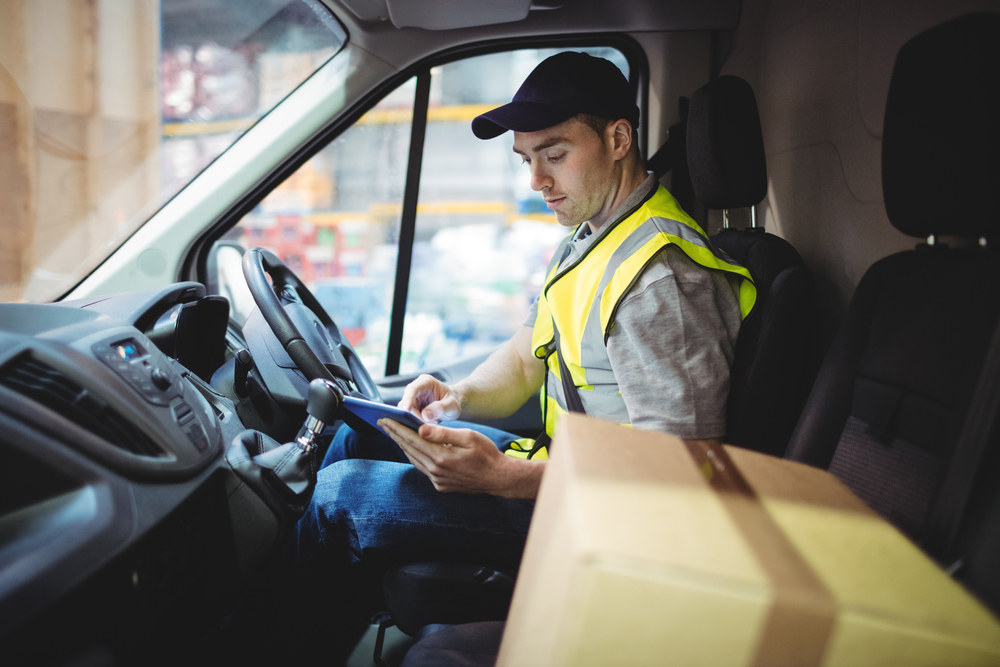
Integrating telematics with fuel cards is key in creating seamless processes for your business, making it more efficient and cost-effective down the line, as well as enhancing your fleet vehicle drivers’ safety behind the wheel.
In this guide, we dive into the importance of both fuel cards and telematics as separate and equally important entities, and why you should integrate both into your fleet management strategy.
What is a fuel card?
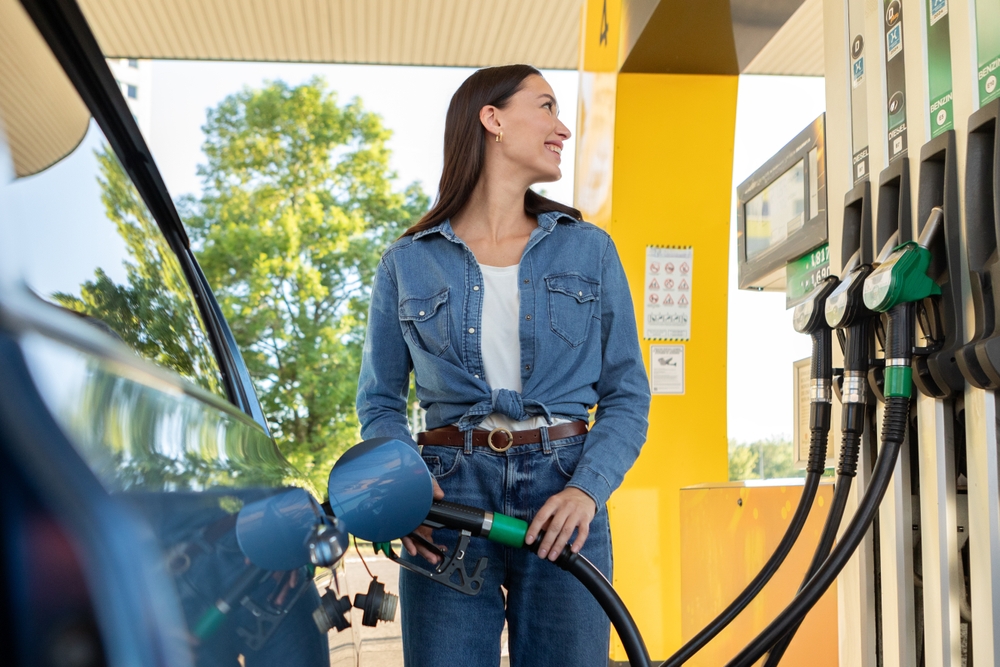
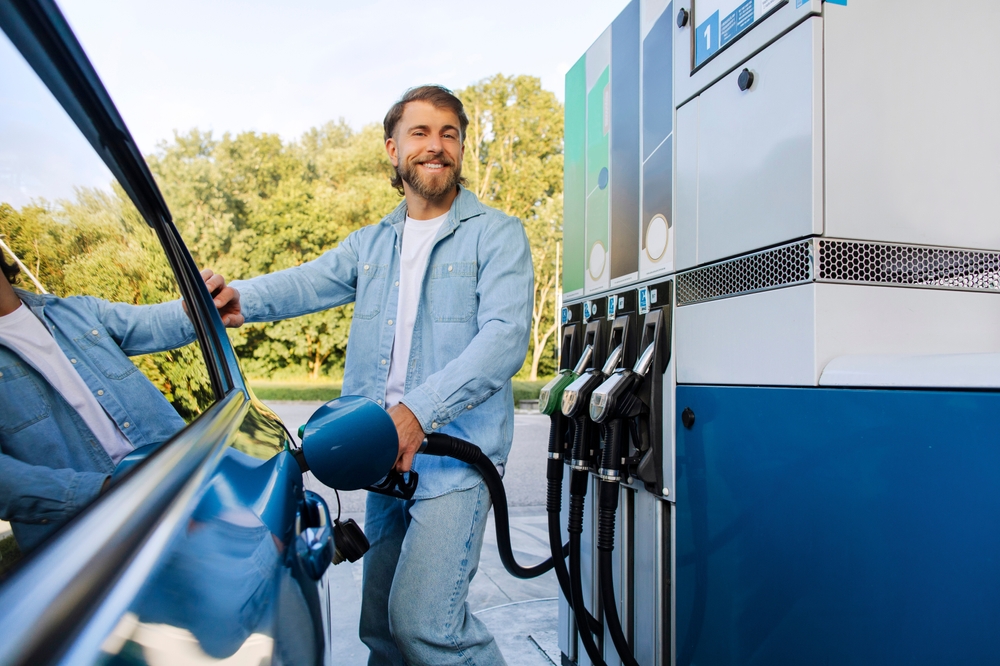
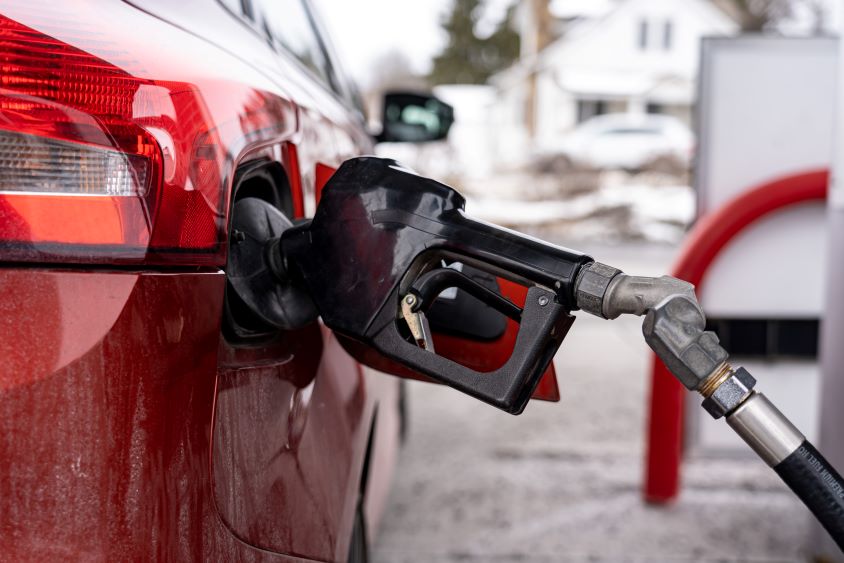
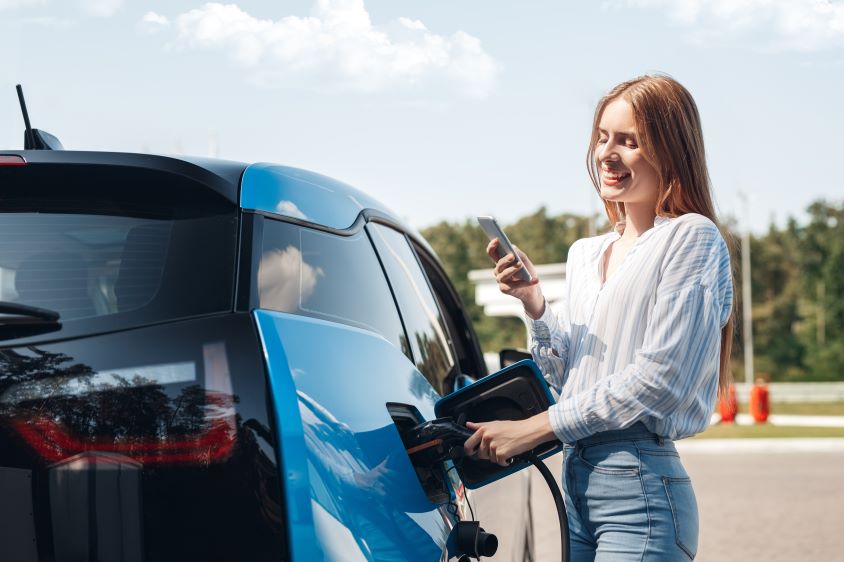
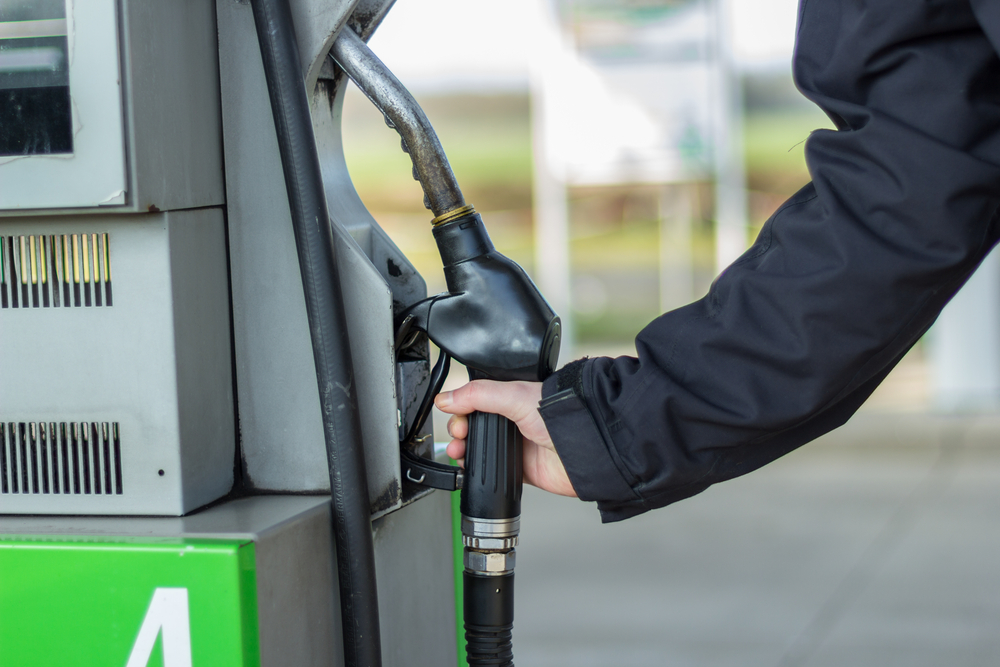
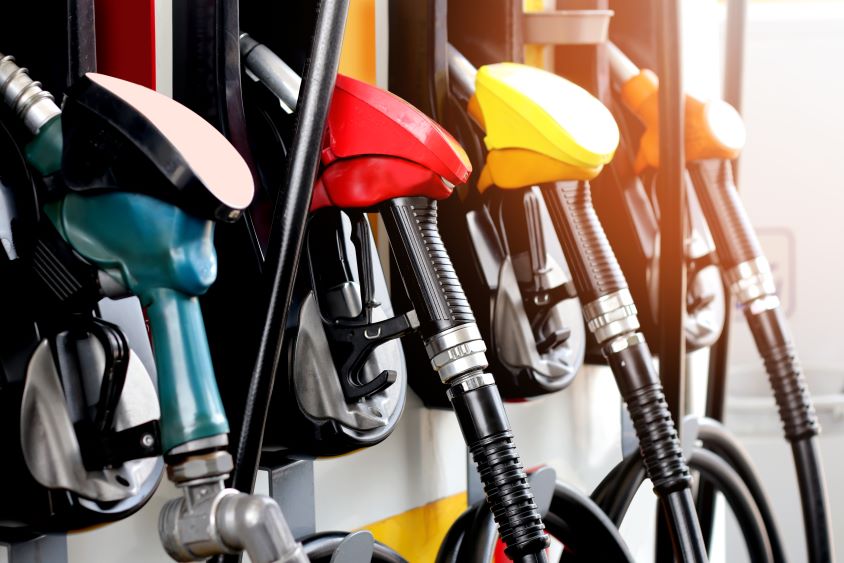
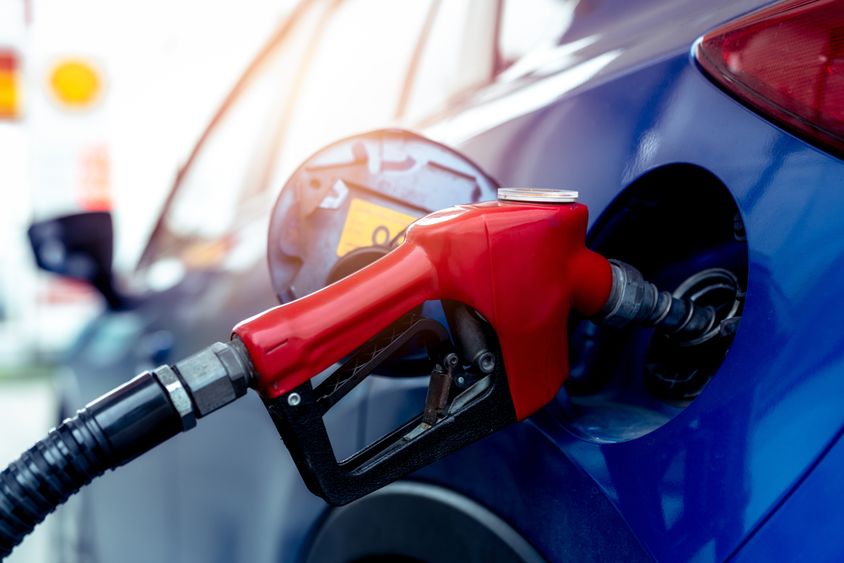
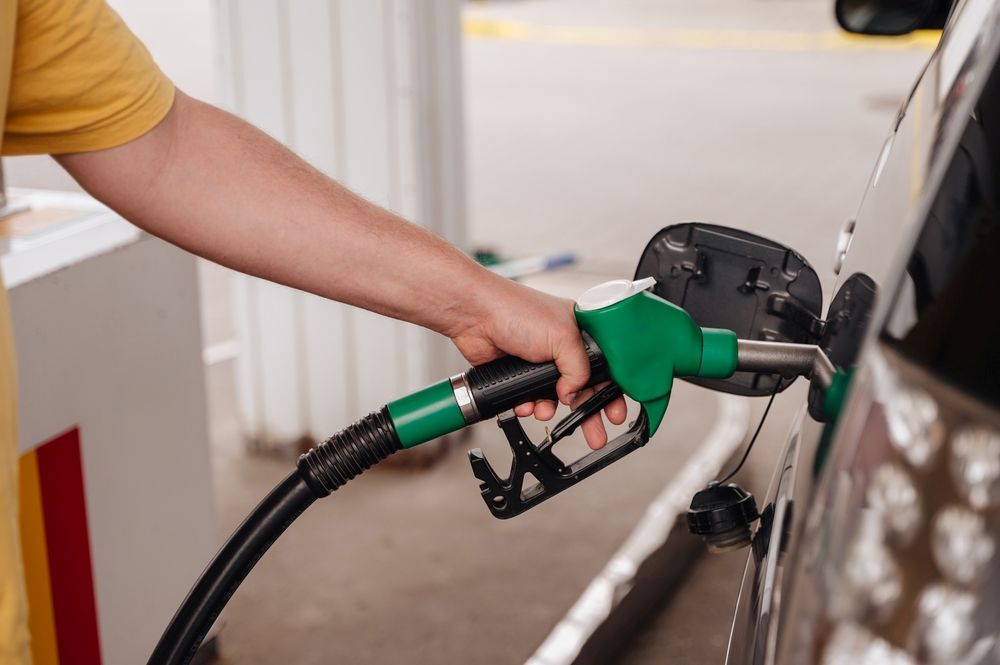
Gone are the days of keeping receipts and carrying cash on your travels. You can save time and resources with an efficient fuel card, which is a method of electronic payment that gives businesses more freedom to manage their fuel expenses.
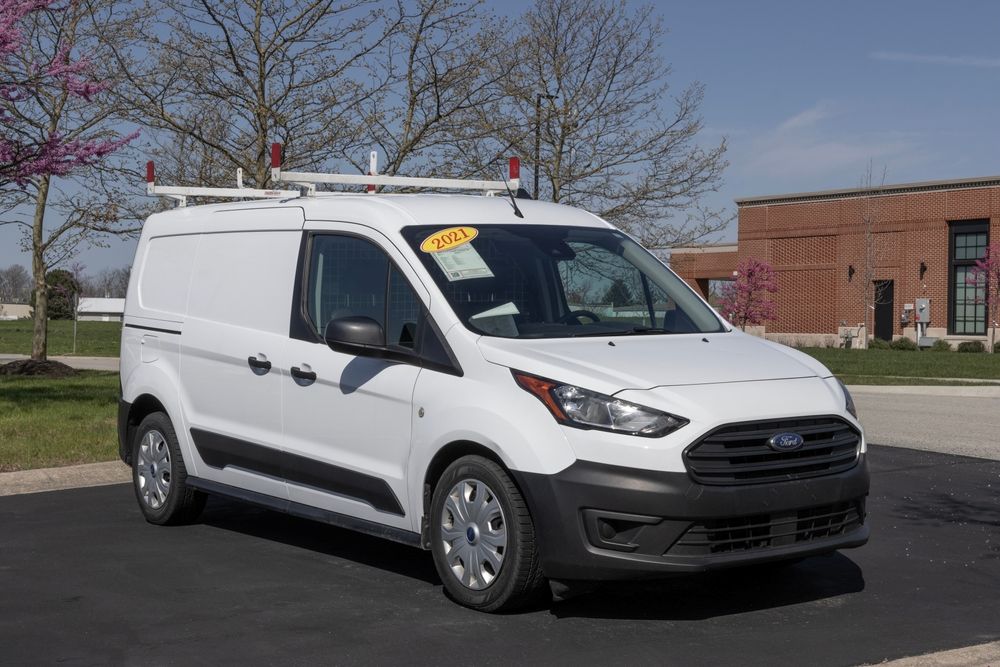
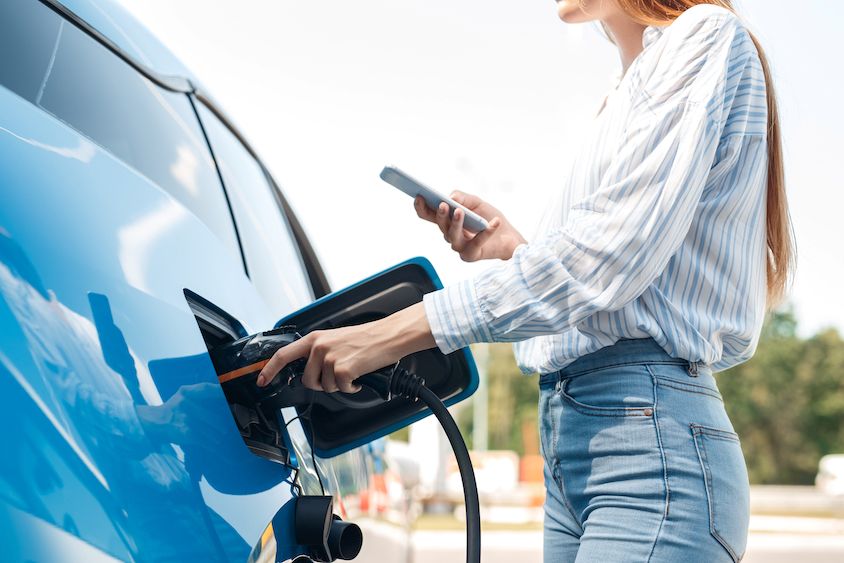
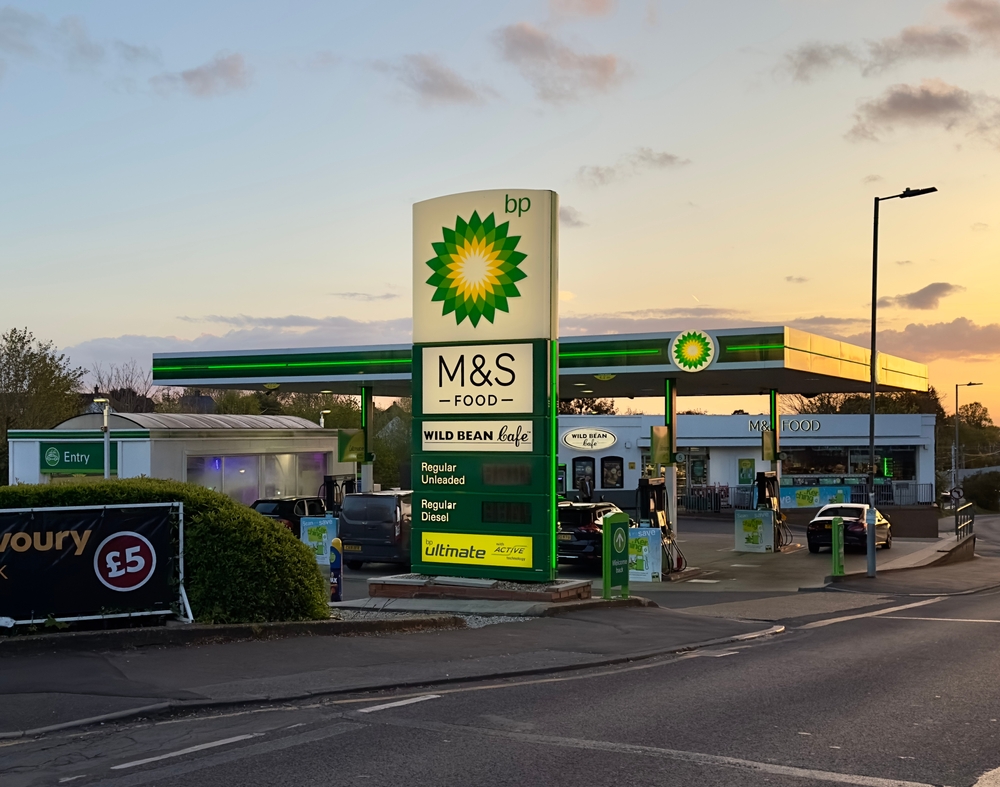
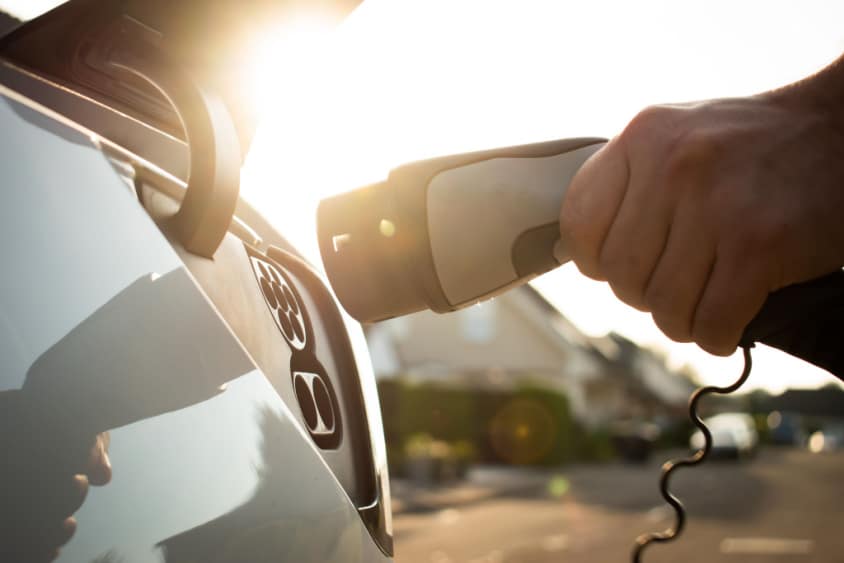
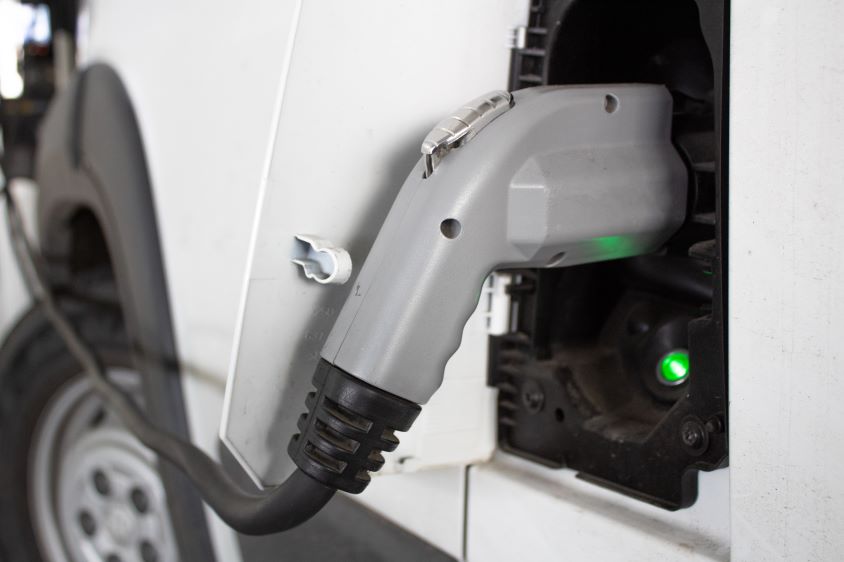
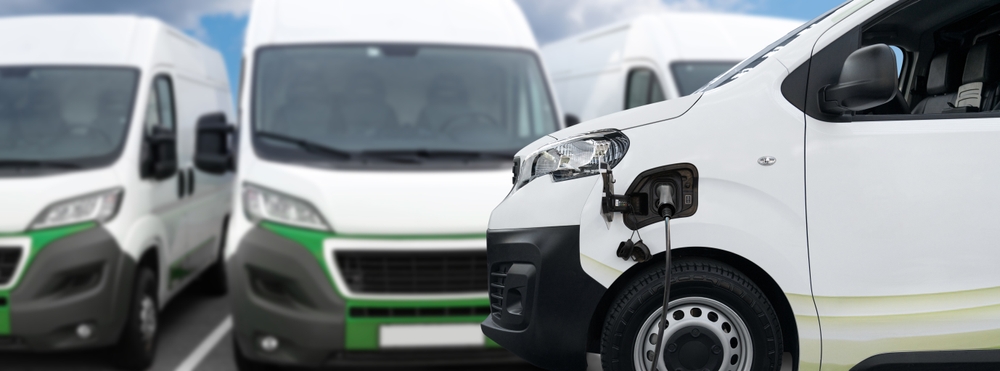
Not only do they give you better control over running your fleet vehicles, but they are also an efficient way to save money at petrol stations when on the road, regardless of whether your fleet uses petrol, diesel, or electric.
Fuel cards can be bought by anyone who needs to purchase fuel for business purposes, whether you’re a sole trader, small business owner or a business with a large fleet of vehicles.
Are you thinking of getting a fuel card for your business? Here are four reasons why the Motia team think it’s worth investing in one:
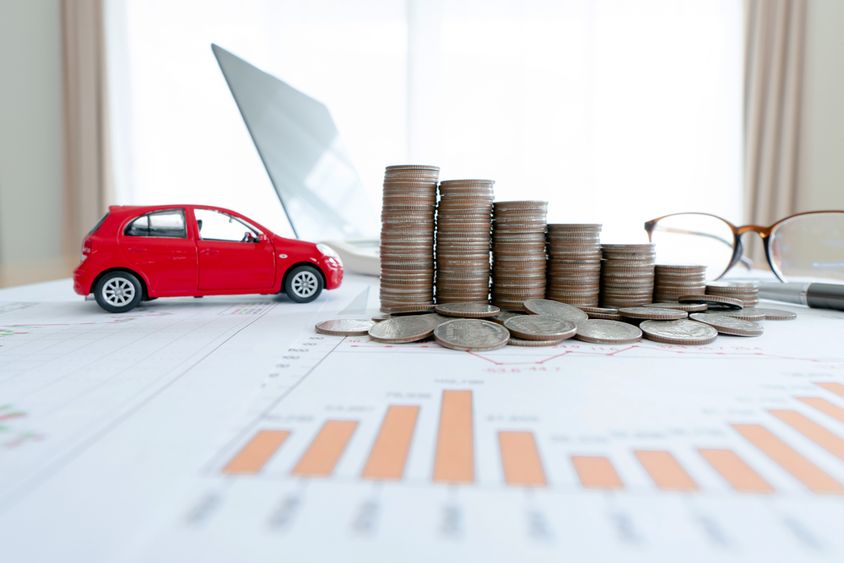
- Cost effective: Regardless of your fleet size, many fuel cards can save businesses up to 10p per litre at certain petrol stations in the UK.
- Reduced paperwork: All transactions go to a single HMRC-compliant invoice, so there’s no need for receipts.
- Spending control: Set limits on your fuel cards so drivers can only purchase fuel and nothing else.
- Fleet management: Get instant data on your fleet’s performance, including fuel consumption and driver behaviour.
-
What is a telematics system?
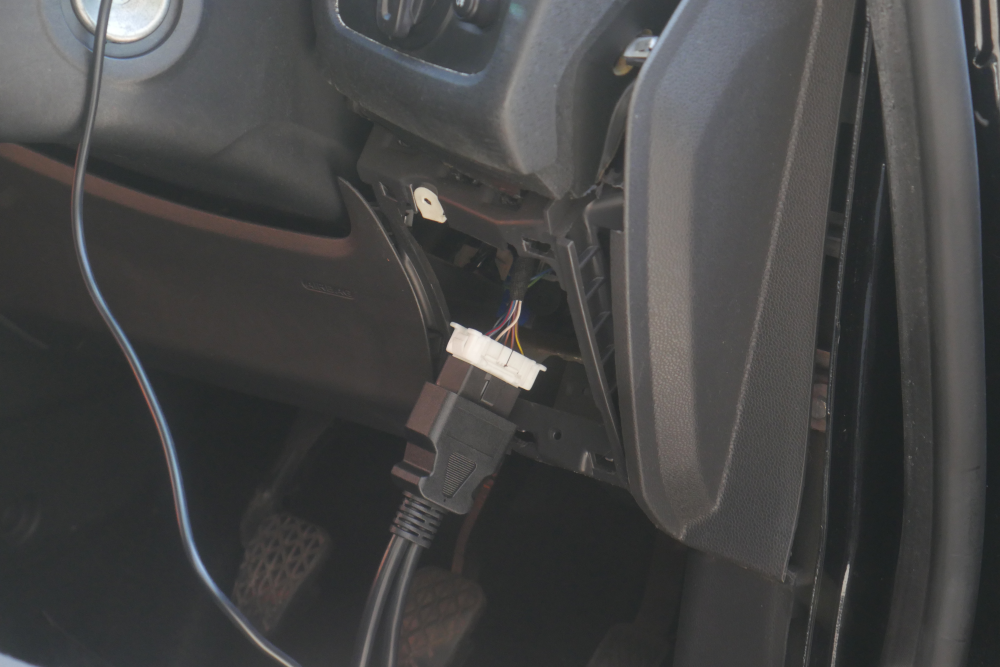
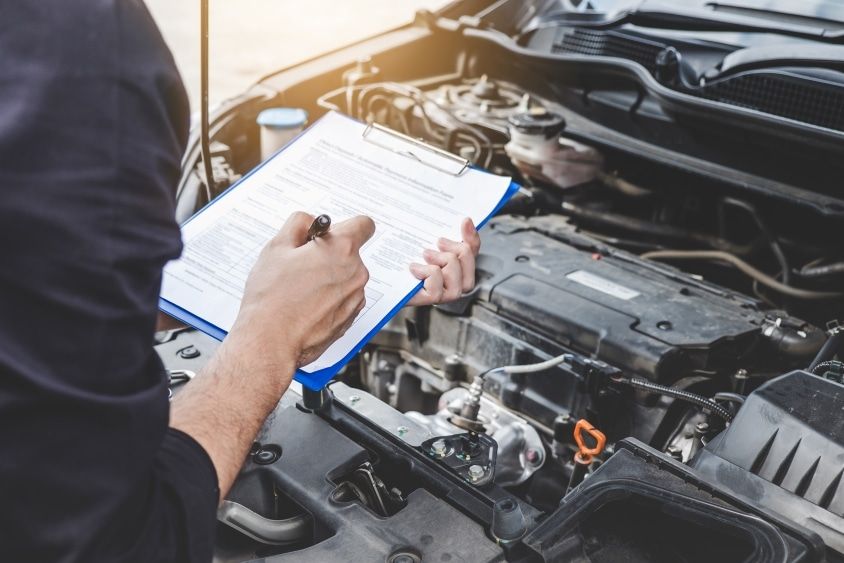
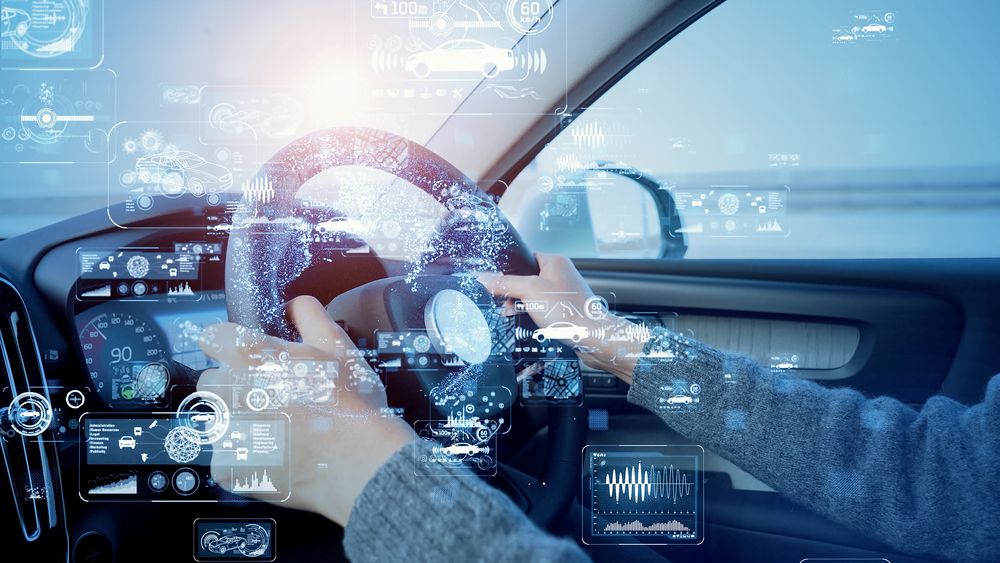
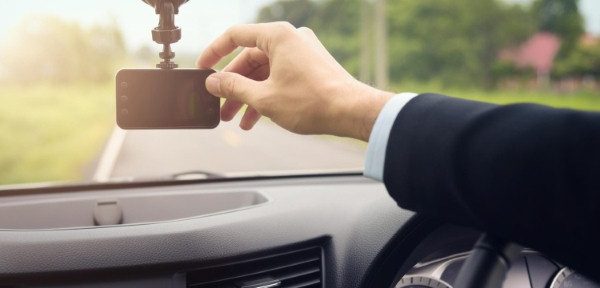
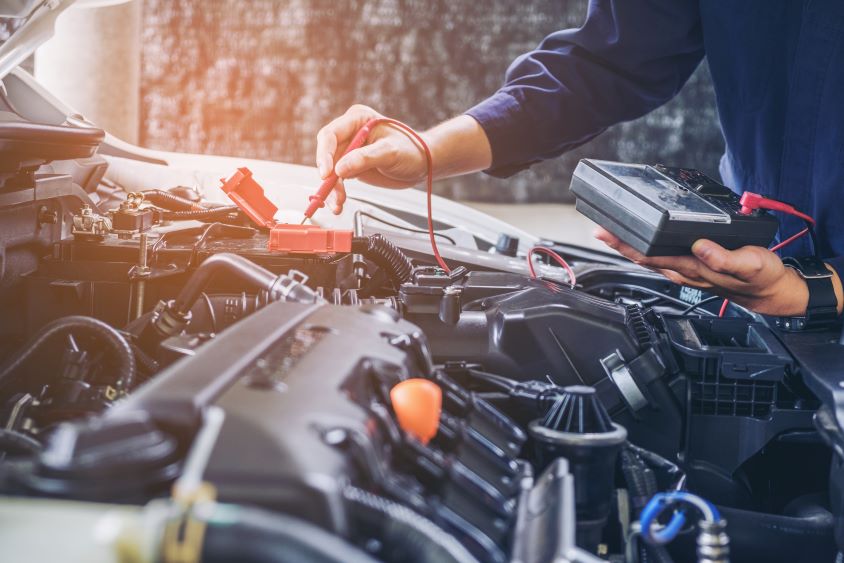
If your business has fleet vehicles, it is vital to stay in control by keeping track of them when on the road. Telematics, or more commonly known as a black box, is a device installed into a vehicle which monitors and reports on its performance. This can include the vehicle’s speed, how it is being driven, as well as its fuel usage and more.
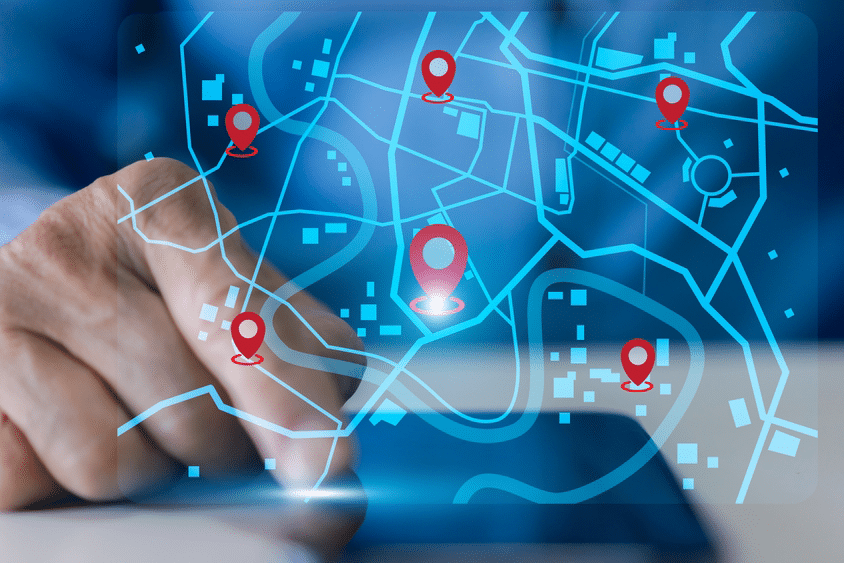
Telematics is a small device that plugs into your fleet vehicles and provides real-time updates, such as where your vehicles are in the country, how efficiently they’re being driven, and whether drivers are taking the best routes. Such data can help you determine patterns that may be costing your business a lot of wasted money, such as drivers harshly braking which can squander fuel.
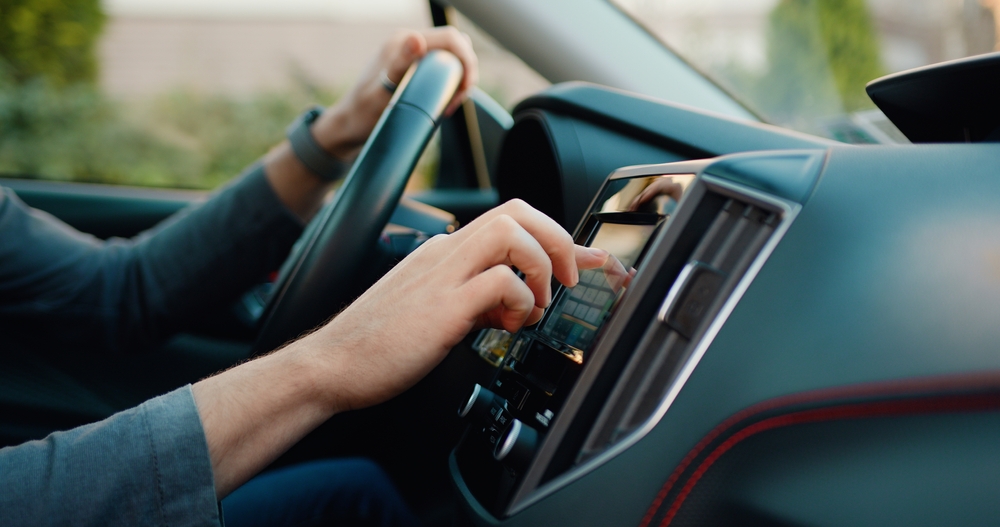
With Motia Telematics, you can easily access vital information in real-time from either a phone, computer or hands-free headset, whether at home or abroad. Such tools can easily track your vehicles, particularly for any suspicious activity or potential theft.
Many businesses continue to benefit from installing telematics into their fleets through positives including reduced costs and better driver productivity. If you have bought telematics already for your business, read our handy guide on how to install them into your fleet vehicles.
Combine fuel cards and telematics for fleet management success
Integrating both business fuel cards and telematics into your fleet vehicles can provide substantial long-term results.
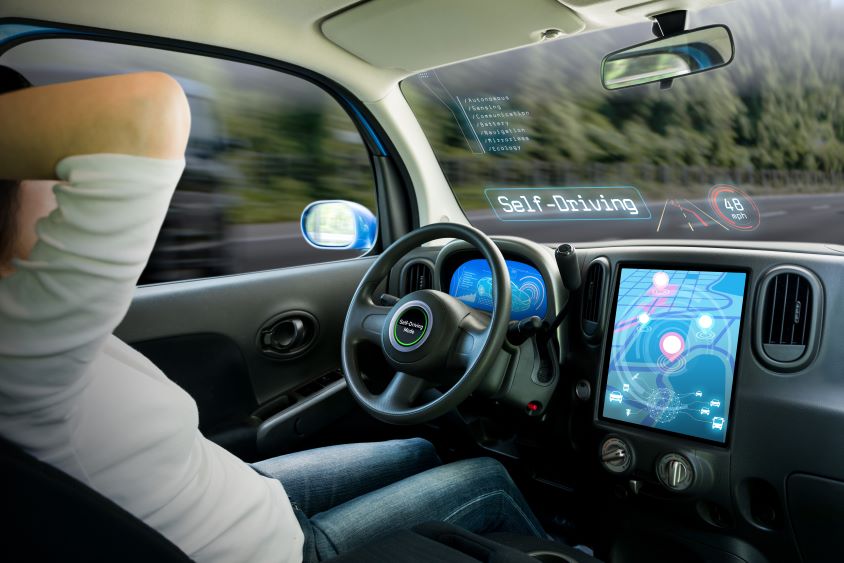
Through synchronising the power of both, you can gain better control over your fleet management with the ability to access more comprehensive data from one system.
Are you still undecided? Read on for a list of reasons why the Motia team think it’s necessary to combine fuel cards and telematics:
- A reduction in vehicle emissions: You can plan exact routes and reduce your driving time, so there’s no need for diversions. Plan your journey around petrol stations that accept your fuel card and save money on the road.
- Improved driver behaviour: With telematics, you can monitor your drivers’ performance, including their speed and how they use their vehicle’s brakes.
- Controlled spending: You can track real-time fuel consumption via telematics, while keeping an eye on the amount of money your drivers are using while on the road.
- Better reporting systems: With fuel cards and telematics, you can access comprehensive data reports that detail everything from fuel usage to business expenditure, all in one system.
-
Find out more about integrating fuel cards and telematics
If you’re still unsure about investing in these systems, contact us at Motia to find out more information on how these systems can benefit your business today.







.jpg)












.jpg)




%201%20(1).webp)



.png)