How insurance companies stand to benefit from telematics
Telematics has some very obvious benefits for fleet operators, but it can also provide a treasure trove of information for claims adjusters.


Telematics has some very obvious benefits for fleet operators, but it can also provide a treasure trove of information for claims adjusters.


Simon Pavey
Website Marketing Manager
Telematics has some very obvious benefits for fleet operators, but it can also provide a treasure trove of information for claims adjusters, particularly in claims management, fraud reduction, and customer experience.
Telematics data, such as driver behaviour analysis and real-time vehicle data, helps to give insurers accurate insights into things that were once difficult or even impossible to verify for insurance claims.
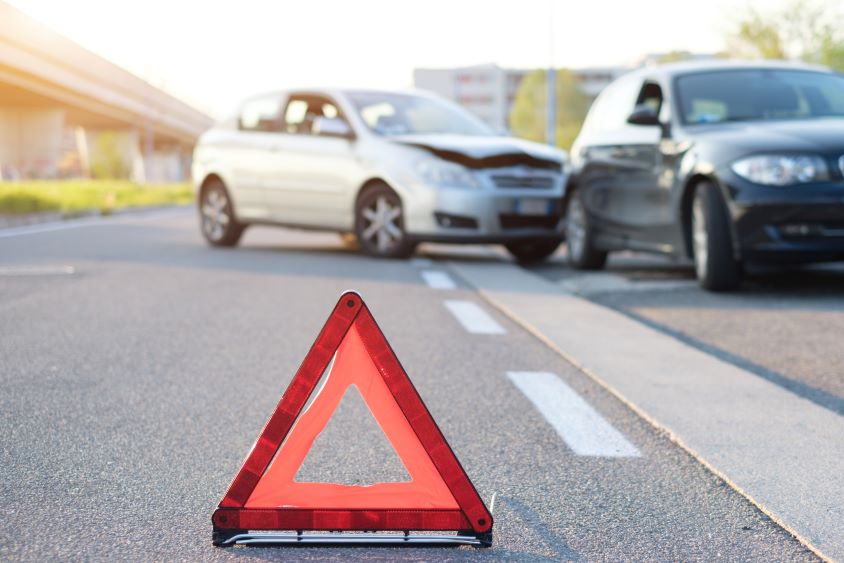
Telematics creates a rich data source for claims adjusters, enabling faster and more accurate decision-making after a collision.
Recent comments from Nino Tarantino, chief executive officer of Octo Telematics in the US, suggested that car insurance claims adjusters could potentially use telematics to determine how many passengers were in a vehicle that was involved in a collision and whether those passengers were wearing seatbelts.
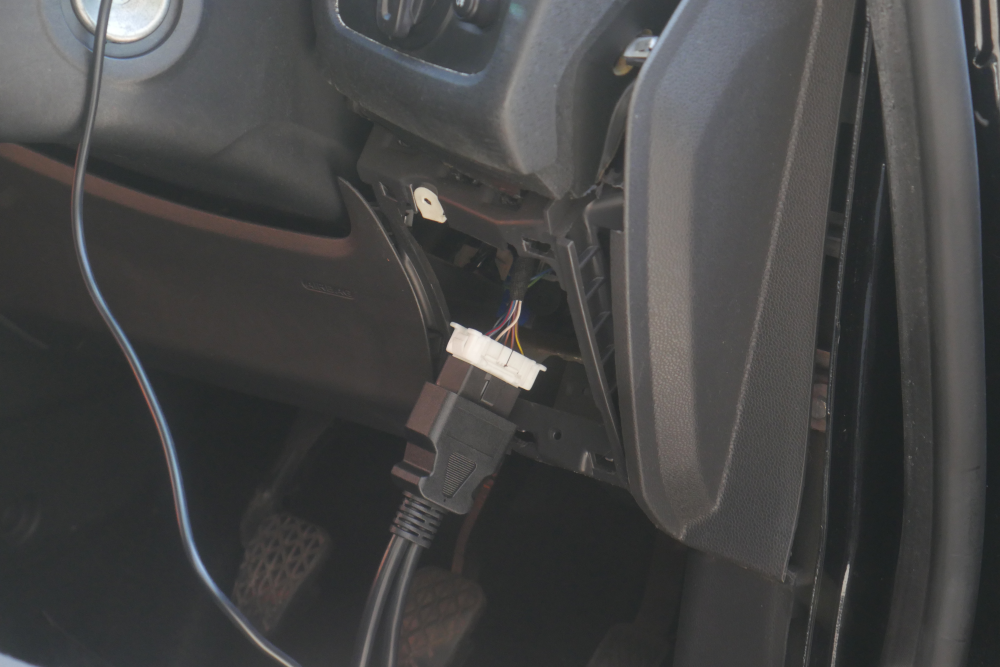
Typically, vehicle tracking is used to record data such as:
This level of detail supports evidence-based claims assessment, reducing disputes and improving claim accuracy.
Telematics has increasingly been used by insurers to determine premiums. That’s because telematics can detect behaviour, such as speeding, sudden acceleration and hard braking, indicative of risk.
These factors make it easier for insurance companies to determine a fair figure for the insurance cost, as telematics boxes demonstrate to insurance companies any points of concern in a driver’s technique and equally prove outstanding safe driving too.
Discover more information on how telematics can affect car insurance premiums in our article ‘What is black box insurance for fleet vehicles’.
Speaking to canadianunderwriter.ca, Mr Tarantino said that telematics allows an insurer to find out “in real time that there was a car accident and they know where it happened, when it happened and how the car was damaged”.
This data helps insurers reconstruct accidents digitally, improving confidence in claims decisions and supporting fair outcomes
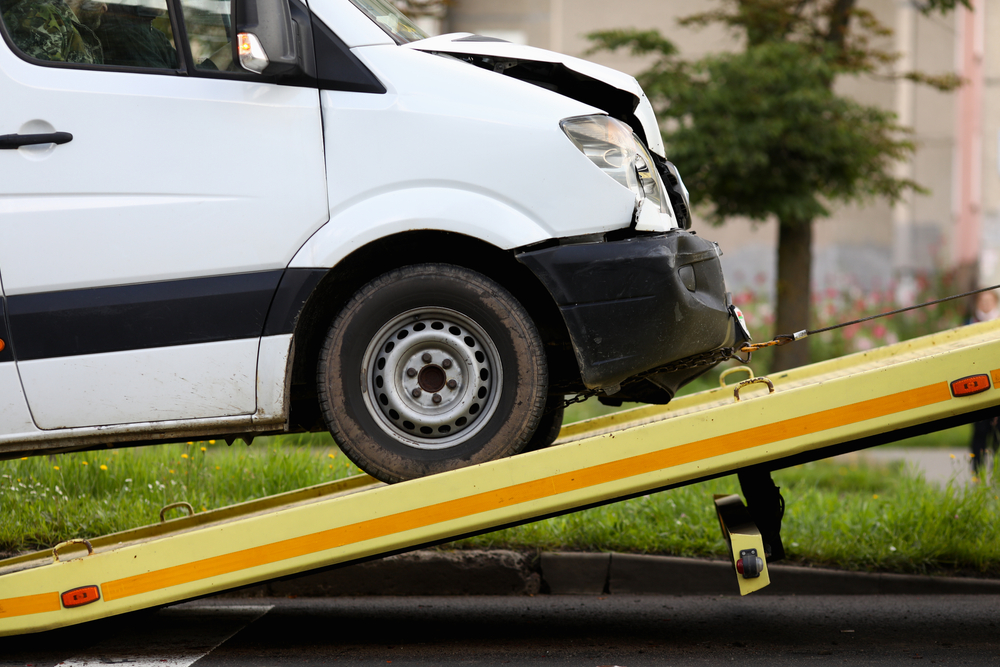
In the event of an accident, an adjuster can find out which part of the car was damaged, how severe it is and assess the probability that any of the car occupants sustained whiplash; claims that have a history of being abused due to difficulties in proving otherwise.
By analysing:
Adjusters can estimate the probability of injury, reducing the risk of fraudulent or exaggerated claims while ensuring genuine claims are handled fairly.
Insurance companies could also benefit from reduced admin costs by being able to close the claim faster. This is because the accurate, real-time telematics data can help insurance companies reduce the need for manual investigation. Lowering both admin and operational costs while improving customer satisfaction.
Mr Tarantino adds that telematics have the potential to help insurers build additional services such as monitoring automotive systems.
“One day we may be able to tell the customer, ‘in one month, your battery is going to die. You need to replace it,’” Tarantino predicted.
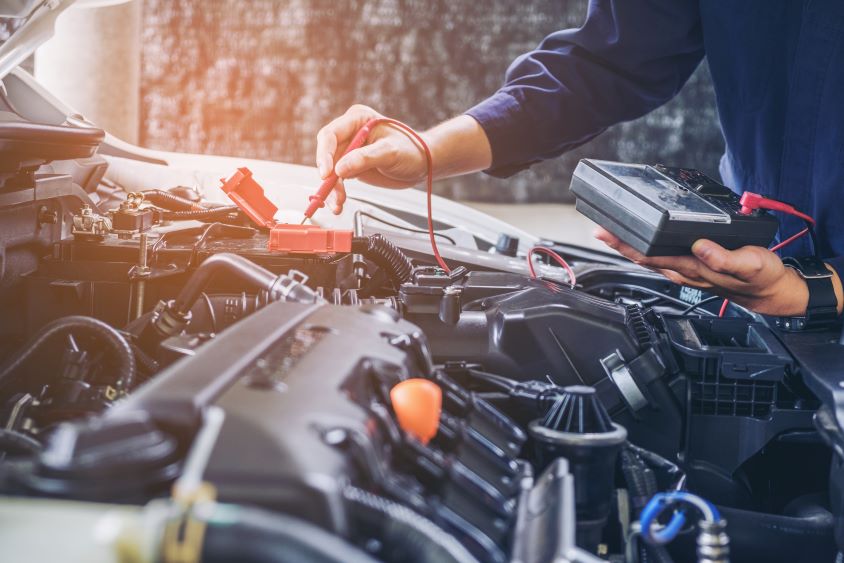
Monitoring vehicle health and notifying customers of potential issues, such as:
These proactive services will help to keep drivers safe and reduce breakdown-related claims.
Discover more information on how Motia’s services can help to improve driver safety here.
Telematics data can help insurers to improve underwriting, claims accuracy, reduce fraud prevention and increase customer satisfaction, making it a key competitive advantage.
Yes. Faster claims resolution, fairer pricing, and proactive vehicle alerts create a more transparent and responsive insurance experience, leading to higher customer satisfaction and retention.
No. While fleets benefit significantly, telematics is also widely used in personal car insurance, commercial vehicles, and speciality insurance products to improve risk management and pricing accuracy.
.png)

Providing Fleet Solutions to optimise operations, cut costs, and keep your business moving.



.jpg)

















.jpg)







%201%20(1).webp)